Have you ever wanted to create beautiful things with wood but didn’t know where to start? Online woodworking courses for beginners are the perfect way to learn this rewarding skill from home.
Whether you dream of making your furniture or just want a fun hobby, these courses teach you the basics you need. You don’t need fancy tools or a big workshop – just a few basic supplies and an internet connection.
In this blog post, we’ll explore the best online courses that will help you turn raw wood into amazing creations, even if you’re completely new to woodworking.
More than 60% of new woodworkers now pick online courses over in-person classes. This is because they find it more convenient and accessible. The online market has grown 20% every year since 2020.
Eighty per cent of students say online courses teach them the basics quickly. They learn to sharpen tools or build workbenches in weeks, not years. These programs offer a clear path to becoming skilled in woodworking.
Whether you want to make furniture or learn joinery, this guide helps you find the best courses. It looks at instructor quality, project-based learning, and cost. You’ll see how online learning makes it easier and cheaper to start woodworking.
Now, you can learn advanced skills like chairmaking with tools like shaper machines. This makes complex tasks easier. And, you avoid the mistakes that come with learning by trial and error.
Key Takeaways
- Online woodworking course enrollment has grown 20% yearly since 2020,
- 60% of beginners prefer online classes due to flexibility.
- Courses cost between $50 and $300, with most priced around $150
- Structured courses help build workbenches in a week versus a year alone.
- 80% of students master basics like tool sharpening through these programs.
Why Learning Woodworking Online Has Become Popular
Online woodworking workshops and beginner classes are now popular. They offer flexibility and value. You can learn from home, fitting lessons into your schedule.
Accessibility for All Skill Levels
Beginner classes break skills into easy steps. Paul Sellers’ programs start with hand tools and then move to advanced techniques like marquetry or furniture making. James Krenov’s books are also part of many courses, mixing old techniques with digital learning.
Even complex projects like Windsor chairs are now easy to learn. Video tutorials let you pause and repeat key cuts as many times as you need.

Convenience of Learning at Your Own Pace
Online courses are different from in-person workshops. You can learn dovetail joints at midnight or review router techniques during lunch. The Spruce offers 24/7 access to project plans, so you can learn anytime.
Cost-Effectiveness Compared to In-Person Workshops
Online courses are 60-80% cheaper than in-person classes. Craftsmanship Academy subscriptions are under $50/month, compared to $500+ for weekend seminars. YouTube also offers free tutorials that cover 75% of beginner needs.
This makes it easier to build your toolbox. You don’t have to rent workshop space to learn.
Essential Tools and Materials Needed for Online Woodworking Courses
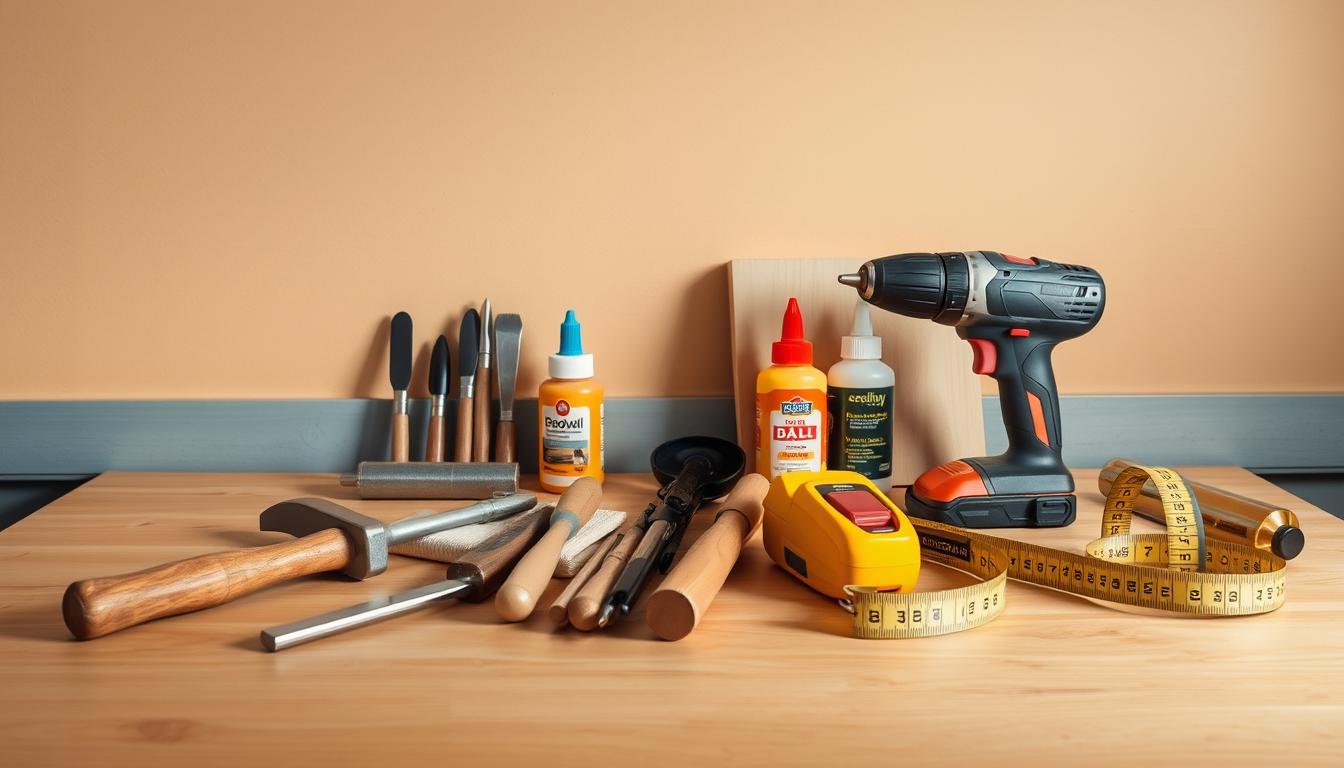
Starting woodworking tutorials for beginners means getting the right tools and materials. Online beginner woodcraft courses ask you to find these yourself. Start with a basic kit that includes hand tools and safety gear. This keeps costs low.
- Hand tools: Begin with a No.5 Jack plane (12″–15″), two chisels (¼” and ½” widths), and a Japanese marking knife for precision. Also, get a combination square, a tape measure, and a 6″ ruler for accurate measurements.
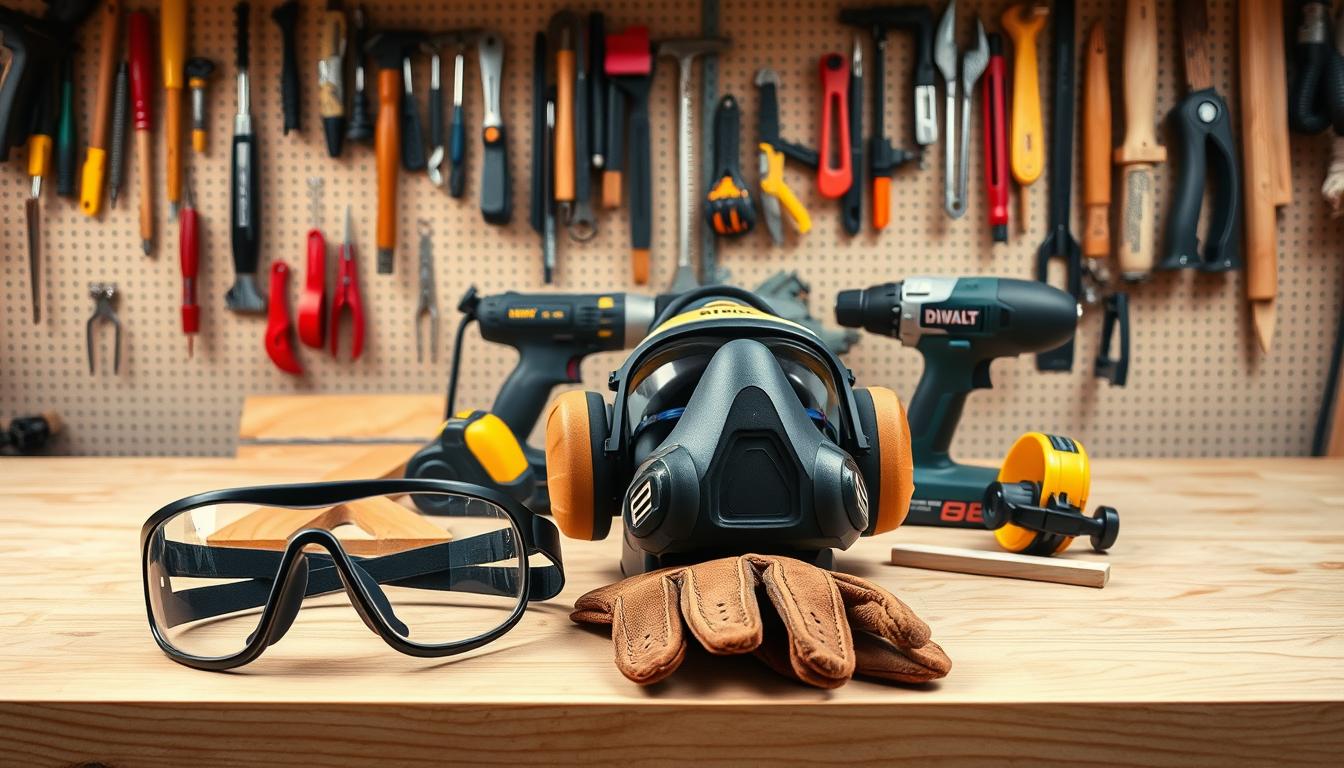
- Safety gear: Eye protection, dust masks, and heavy gloves are essential. A Japanese back saw is great for joinery practice.
- Materials: Softwoods like pine are perfect for practice. Domestika’s Kumiko technique projects use small wood pieces. Spoon carving needs basic adhesives.
- Budget tips: Rent power tools like routers or table saws at first. Domestika’s courses list exact material lists to help you shop.
Clamps are key—get two G-clamps and three F-clamps (2’–3′ lengths) for holding projects steady. Sharpening stones like the Norton oil stone keep blades sharp without costing much. Many woodworking tutorials for beginners include tool checklists. But always check your course’s needs first. Focus on safety equipment and core tools first, then add more as you learn.
What to Look for in Online Woodworking Courses for Beginners
When looking for the best woodworking courses for beginners, it’s important to know what to look for. With top online woodworking classes offering different formats, it’s crucial to do your research. Over 16,000 projects are available through platforms like TedsWoodworking, but finding the right one can be challenging. Let’s explore the key factors to consider.
Instructor Credentials and Teaching Style
Seek out instructors with years of experience. The Wood Whisperer Guild’s courses feature master woodworkers who focus on clear communication and flexibility. Reviews can help you see if their teaching style fits your learning pace. Some prefer structured lectures, while others like live demos.
Courses like Domestika’s “Professional Woodworking for Beginners” focus on foundational skills through practical exercises.
Course Structure and Progression
Good courses build skills in a logical order. The Guild’s step-by-step approach ensures beginners learn the basics before moving on to more advanced techniques. It’s also important to compare the course duration. For example, project courses like “Make Your Furniture” take 2-4 weeks, while technique-based courses like “Theory of Woodworking” span 6-8 weeks.
Make sure the content matches your skill level.
Project-Based vs. Technique-Based Learning
| Approach | Focus | Example |
|---|---|---|
| Project-Based | “Make Your Furniture” (12-16 hours total) | “Make Your Own Furniture” (12-16 hours total) |
| Technique-Based | Mastery of skills like joinery | “Theory of Woodwork” (24 hours) |
Project courses, like Skillshare’s “Beginner Woodworking: Joinery,” take 3 weeks with 6 total hours. Technique courses, such as “Fusion 360 for Woodworking,” require 8-12 hours over 4-6 weeks.
Community Support and Feedback
- Check for forums, live Q&A sessions, and peer review options
- Top courses like The Wood Whisperer Guild offer 24/7 access to instructor feedback
- Look for platforms with active communities—like Instructables’ “Making Straight Cuts” course, which includes peer critique sections
Without in-person access, strong feedback loops are crucial to avoid mistakes. Courses with lifetime access to materials (like The Guild’s model) allow you to revisit content anytime.
The Woodworking Fundamentals Course by Craftsmanship Academy
The Woodworking Fundamentals Course by Craftsmanship Academy is perfect for beginners. It covers the basics in just over 12 weeks. You’ll learn about joinery, tool care, and finishing surfaces.
You’ll work on six projects, from simple boxes to complex furniture. This hands-on approach helps you master woodworking skills.
Each module is practical, focusing on doing rather than just learning. You’ll have six weeks for each project, allowing for skill growth. Bob Van Dyke, with over 25 years of experience, will guide you personally.
You’ll use 7 hand tools and 6 machine tools. Safety is a big part of the course. You’ll also get project plans and extra video tutorials.
Starts at $9/month or $88/year for premium access. This includes all video content, project guides, and forums. It’s a great deal compared to in-person classes that cost $300–500 weekly.
Scholarships are available for those who apply.
“I built my first dovetail box in week 8. The step-by-step video guides made complex techniques approachable.”
Students start with small projects like spice racks. Then, they move on to chests and tables. Over 80% finish all six projects, and many sell their work locally.
The course focuses on real-world projects. This ensures your skills are useful right away.
Steve Ramsey’s Weekend Woodworker Program
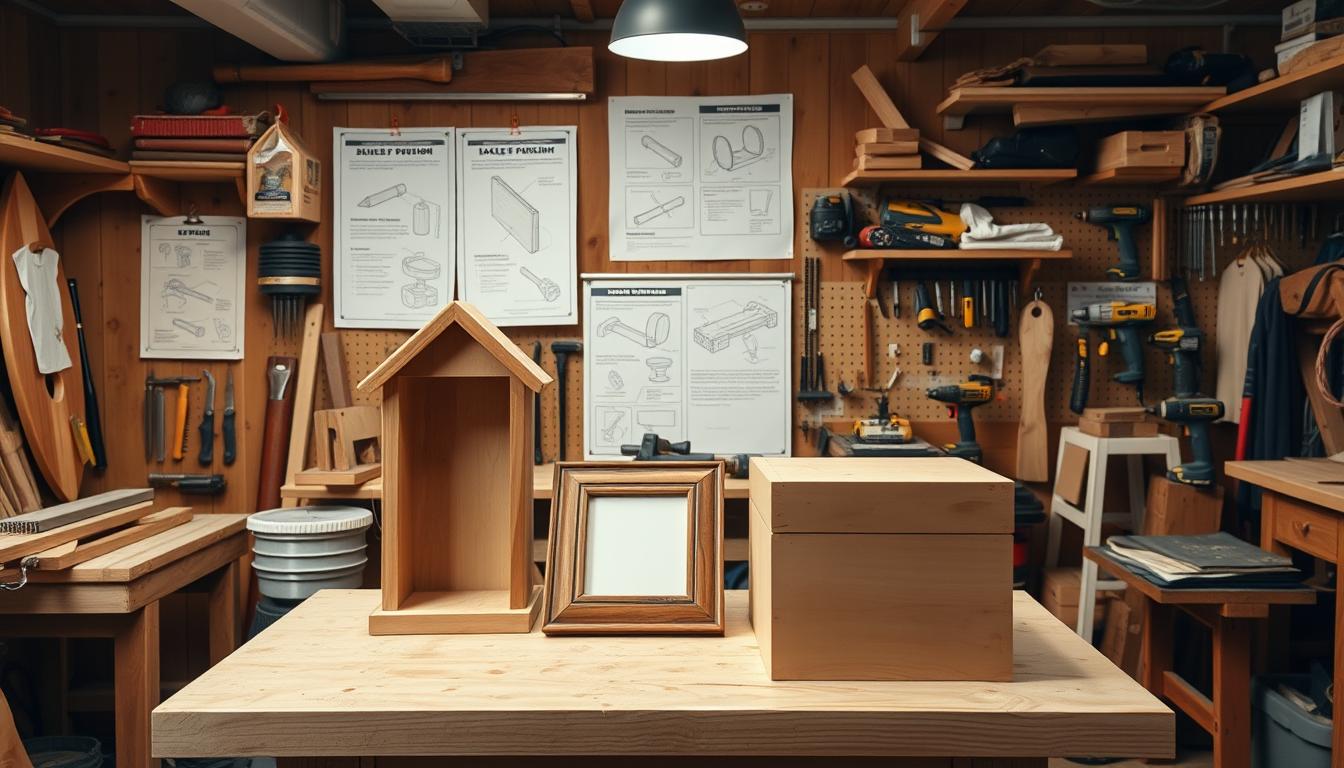
Steve Ramsey’s Weekend Woodworker Program is a standout for beginners. It focuses on quick, doable projects. With 12 weekend projects, it teaches essential skills in just a few days.
Each project, like a coat rack or plant stand, can be finished in under 48 hours. This keeps beginners motivated without feeling overwhelmed.
Starting at $147 per class, you get lifetime access after buying. Ramsey chooses affordable tools like a drill and a saw. He also recommends a Pocket Hole Jig for about $30.
Materials like pine plywood are also budget-friendly, often $15 cheaper than other options.
Projects come with step-by-step videos, cut lists, and SketchUp models. A private Facebook group offers support for troubleshooting. The program focuses on practical skills like measuring and sanding, avoiding complex techniques.
Projects like the “Mini Bookshelf” and “Tool Organiser” use minimal materials. They’re great for small workshops. With 12 structured tutorials, beginners get hands-on experience without long-term commitments.
Each project, from a picture frame to a bench, teaches basics like joinery and finishing techniques.
Ramsey’s program offers a one-time payment, avoiding recurring fees. Reviews praise the program for keeping beginners motivated with weekend projects. It’s all about simplicity and accessibility, promising quick, satisfying results for new woodworkers.
The Comprehensive Woodcraft Online Workshop by Fine Woodworking
Fine Woodworking’s Comprehensive Woodcraft Online Workshop is perfect for both newbies and seasoned woodworkers. It offers over 45 years of experience. You get access to 100+ digital plans and detailed how-to videos.
Course Content and Project Difficulty
Start with simple projects like a Shaker candle stand. It teaches you about joinery and finishing. For more skill, try making a Danish-inspired stool. You’ll need to know your tools first.
Projects get more complex, from basic cuts to detailed designs. But some steps might feel too fast for beginners.
Support Materials and Resources
- Step-by-step video tutorials and downloadable cutting lists guide you through each project.
- A biweekly podcast connects learners with expert insights and troubleshooting tips.
- Interactive quizzes and a user-friendly interface ensure clarity across devices.
Pros and Cons for Complete Beginners
Pros include access to curated resources like tool guides and historical furniture design content. But some projects assume you know how to use hand tools. This might need extra learning.
The platform’s intro modules help you learn skills like sanding and staining. But complex joinery steps might need more practice.
Paul Sellers’ Woodworking Masterclasses for Novices
Paul Sellers’ Woodworking Masterclasses are top online woodworking classes for beginners. With over 320,000 YouTube subscribers and 250+ videos, it combines old skills with new learning. Free tutorials are available, and premium members get detailed guides and advanced techniques.
The site has been around for 11 years, offering a proven curriculum for beginners.
Traditional Techniques Made Accessible
Sellers make old methods easy by breaking them down into simple steps. He focuses on hand tools for joinery and shaping, avoiding expensive machines. Free videos like “How to cut basic joinery by hand” let you try before paying $16/month.
People say his methodical approach makes complex tasks seem doable.
Tool Requirements and Alternatives
Sellers value quality hand tools but know budget matters. You can start with basic tools like a bench plane and chisels, then add more. For small spaces, he recommends hand tools over power tools.
The site offers affordable alternatives for every tool, making it accessible for all.
Learning Path and Progress Tracking
Beginners follow a clear path with 250+ videos sorted by skill level. Free videos introduce basics, while premium content leads to more complex projects. New videos come out weekly, and a 48-minute video on a simple jewellery box is a great start.
Tracking your progress is up to you, but the content ensures steady skill growth.
Paul Sellers’ method is among the best woodworking courses for beginners. It balances tradition with modern learning, perfect for building a home workshop or learning online.
The Wood Whisperer Guild Online Training

For those looking for online woodworking courses, The Wood Whisperer Guild is a great choice. It was started in 2006 by Marc Spagnuolo, who moved from biotech to woodworking. This platform offers top-notch video tutorials that break down complex skills into simple steps. These videos show projects from different angles, helping visual learners understand joinery and tool use.
- Free trial periods let you explore courses risk-free
- Live Q&A sessions and forums foster interaction with experienced woodworkers
- Projects start simple, like basic boxes or shelves, before advancing to cabinets or furniture builds
Beginner woodcraft courses here include 3D models and cut lists to plan projects. Members get support from a community that shares tips and solves problems. The Guild has different pricing options, including monthly or annual subscriptions. It focuses on basic skills, avoiding advanced terms that confuse beginners. Over 60% of members see their skills improve in six months.
Whether you want to build a desk or a bench, this guide helps turn ideas into real projects. With ten years of improvement since its start in 2006, it reflects Spagnuolo’s journey from financial struggles to a full-time passion. Try the free trials to see if it fits your learning style.
Common Challenges Beginners Face with Online Woodworking Courses
Online woodworking courses offer flexibility but come with unique challenges. Many learners face issues like limited space, budget constraints, or a lack of real-time guidance. Here’s how to overcome these obstacles effectively.
Workspace Limitations: Small spaces can slow progress. Over 50% of projects face issues due to cramped setups. Use compact workbenches or modular storage to make the most of your space. Start with small projects like picture frames, which require less room than full furniture builds. Let wood acclimate for 48 hours before cutting to avoid warping.
Budget Constraints: Tools can quickly add up. Nearly 90% of woodworkers use power tools, but beginners can start with affordable basics like hand saws and clamps. Focus on essentials like a quality chisel set or a bench vice. Look for deals at thrift stores or join tool-sharing programs to save money. Remember, safety gear like glasses and masks is crucial to avoid injury.
Troubleshooting Gaps: Without in-person help, 80% of beginners face burn marks from dull blades. Join online forums for woodworking tutorials to share your work. Video recordings of your techniques help instructors spot issues remotely. Always clean blades and check for dullness before cutting—dull blades cause 50% of project failures.
Online woodworking courses for beginners succeed with smart planning. Adapt your space, invest wisely, and use community support to overcome these hurdles. Safety and patience are key to keeping projects on track.
How to Supplement Your Online Woodworking Learning
After finishing beginner woodcraft courses, look for more ways to learn. Combine online classes with hands-on practice and join a community. Start by checking out free YouTube tutorials and podcasts like Fine Woodworking’s Shop Talk Live. These help clarify techniques from courses.
“Real progress comes from combining theory with hands-on repetition,” advises Patrick Edwards, a presenter with over 50 years of experience.
Join forums like the Wood Whisperer Guild or local clubs to share your projects and get help. Use free plans like Craftsmanship Academy’s 57-page Moravian Workbench guide to practice your skills. Also, attend events like the Woodworking in America 2024 conference in Des Moines (Oct 11-12) to see live demos.
- Read books like “The New Woodworker’s Handbook” for step-by-step guidance.
- Practice tool handling with Craftsmanship’s list of 20 essential hand tools for beginners.
- Document your progress in a journal to track your growth and find areas to improve.
Combine online learning with community college courses, which 78% of carpenters use to improve. Visit woodworking stores for tool demos or sign up for weekend workshops. Mix free resources like YouTube with paid platforms to build a well-rounded skillset. Every project, whether simple or complex, helps reinforce techniques from courses.
Safety Considerations for Home Woodworking Practice
Starting woodworking at home requires a strong focus on safety. Online tutorials and workshops should emphasise the importance of protective gear and tool management. In the U.S., over 40,000 people visit the ER each year due to woodworking accidents. With proper training and precautions, these risks can be greatly reduced.
Essential Safety Equipment
Always wear safety glasses—they block 90% of eye injuries. Respirators are crucial for protecting lungs from wood dust, which affects 30% of woodworkers. Wearing fitted clothing helps avoid getting caught in tools, preventing 15% of injuries. Don’t forget ear protection and face masks.
Workshop Setup for Maximum Safety
- Keep tools unplugged when not in use—20% of injuries happen when tools start accidentally.
- Organise tools to cut tripping risks, linked to 25% of accidents.
- Use fire extinguishers; they reduce fire incidents by 40%.
Understanding Tool-Specific Risks
Power tools cause nearly half of injuries. Dull blades increase kickback risks by 40%. Always use push sticks and splitters to stay safe. Online courses should teach these steps before starting projects.
Regular tool maintenance boosts safety and tool lifespan by 30–50%. Never mix woodworking with distractions or substances—both raise accident chances. Prioritise safety to avoid becoming part of the 70% of preventable injuries.
⭐ Ready to Turn Your Woodworking Skills Into Real Projects? Start Today With 16,000 Step-by-Step Plans!

If you’re serious about learning woodworking faster, easier, and without costly mistakes…
Then Teds Woodworking is the BEST next step you can take. It’s the world’s largest collection of 16,000 “done-for-you” woodworking plans, designed for absolute beginners as well as advanced makers.
With these plans, any project you imagine becomes easy—no guesswork, no confusion, no expensive tools required.
✅ Why Beginners Love Ted’s Woodworking
- 16,000+ Step-by-Step Plans with detailed diagrams, schematics & blueprints.
- Exact cutting & material lists to save money and avoid mistakes.
- Beginner-friendly instructions—like having a master woodworker guiding you.
- Perfect for small workspaces—no need for expensive machinery.
- Monthly free plans for life—new ideas every month at no extra cost.
- Custom woodworking plan requests included (worth $250!).
- 150 premium woodworking videos for hands-on learning.
🔥 Special Launch Offer — Limited Time Only!
Get instant access to all 16,000 plans for just $67 (one-time) before the price increases.
This small investment can save you years of frustration and thousands of rupees in mistakes and wasted materials.
👉 Start Building With Confidence Today!
Click below to unlock the entire woodworking library and begin your next project with ZERO guesswork:
⭐ ➡️ Get Instant Access to All 16,000 Woodworking Plans Now!
(Risk-free 60-day money-back guarantee included.)
Conclusion
Online woodworking courses are a great way to learn new skills. They cover everything from basic to advanced techniques. If you want to make furniture or decorative items, start with the basics. This ensures you learn safely and well.
Think about your budget and the space you have before starting. For example, a 3/4-inch roughing gouge is good for spindle turning. Carbide tools also mean you won’t need to sharpen them.
Begin with simple projects using dry wood to avoid shrinkage, like in boxes. Start at lower speeds when setting up wood to prevent cracks, which is important for flawed pieces. Courses like Craftsmanship Academy’s program or Steve Ramsey’s training teach you the basics.
They cover everything from tool selection to safety practices. Remember, a 1/2-inch detail spindle gouge is great for precision.
Invest in quality tools like the Wolverine Grinding System for sharpening. Safety gear is also crucial. Many courses offer project-based learning, allowing you to practice joinery or carving step by step.
Whether you prefer traditional methods or modern carbide options, online platforms offer resources without the need for in-person classes.
Beginners can choose between free blogs or structured programs like the Wood Whisperer Guild. Start with something simple, like turning a basic bowl or spindle. Then, move on to harder materials like walnut or cherry. With the right course, your skills will grow with your creativity.
Your first project is just a click away. Enrol today and turn raw wood into something amazing.
FAQ
What are the best online woodworking courses for beginners?
Top courses for beginners include the Woodworking Fundamentals Course by Craftsmanship Academy. Steve Ramsey’s Weekend Woodworker Program is also great. The Comprehensive Woodcraft Online Workshop by Fine Woodworking is another excellent choice. Each course is designed for beginners, offering structured lessons.
Are online woodworking courses suitable for complete beginners?
Yes, many courses are made for complete beginners. They start with basic skills and then move to more complex ones. This lets you learn at your own pace.
How can I choose the right online woodworking course for me?
Look at the instructor’s credentials and the course’s structure. Consider whether it focuses on projects or techniques. Also, check if there’s community support. This ensures the course fits your learning style and goals.
What tools do I need to start woodworking as a beginner?
You’ll need basic hand tools like hammers, chisels, and saws. Also, get safety gear like eye protection and dust masks. As you learn, you can add more tools to your collection.
Are online woodworking classes cost-effective compared to in-person workshops?
Yes, online courses are often cheaper. They offer different payment options, like one-time fees or subscriptions. This saves you money on travel and accommodation, giving you access to lots of resources.
Can I get feedback on my woodworking projects if I learn online?
Many online courses offer community support and feedback. You can join forums or live Q&A sessions. Here, you can ask questions, share your work, and get advice from instructors and other students.
How can I ensure safety while working with wood at home?
Invest in safety gear, such as eye protection and earplugs. Make sure your workspace is well-lit and organised. Learn about the risks of your tools to work safely.