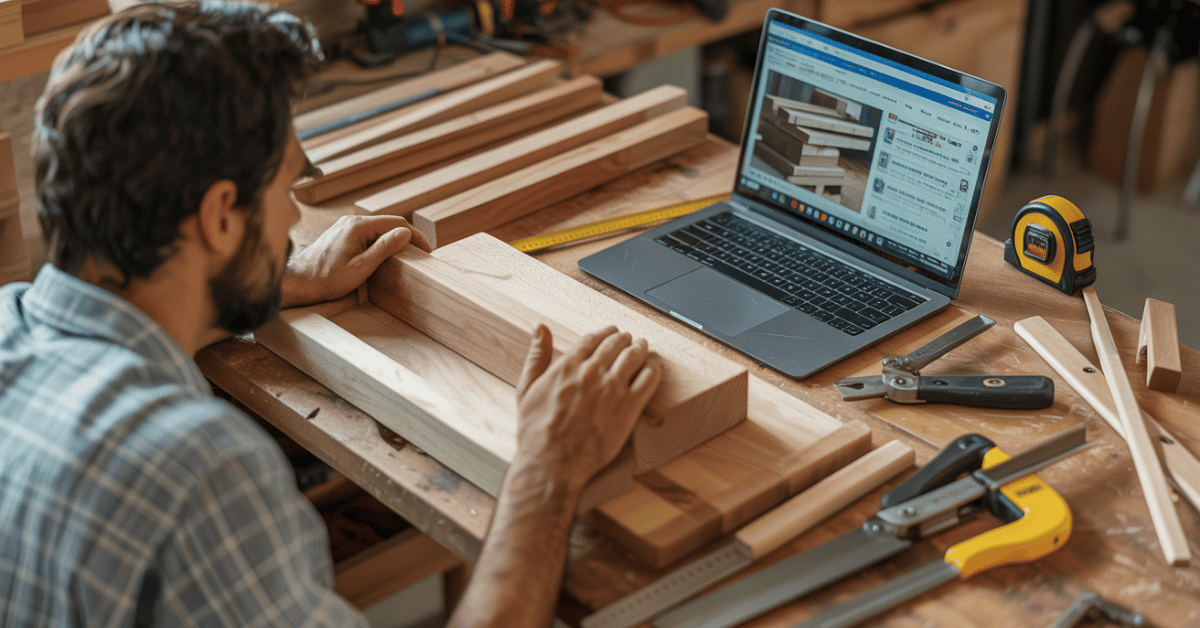
Ever thought you could make furniture without years of practice? Many beginners feel lost in the sea of info. But you can skip the trial-and-error by following a digital guide. Learning how to learn woodworking faster online lets you bring your ideas to life with ease and confidence.
With today’s digital tools, you can learn expert skills quickly. Structured paths help you build a strong base and avoid common mistakes. Now, you can turn your hobby into a valuable skill with efficient, tested methods.
Key Takeaways
- Utilise structured digital courses to bypass traditional trial-and-error learning.
- Identify reputable platforms that offer step-by-step project guidance.
- Focus on mastering essential hand and power tool safety early on.
- Join active digital communities to receive constructive feedback on your builds.
- Apply consistent practice routines to accelerate your technical proficiency.
Setting Up Your Efficient Home Workshop
Turning a small part of your home into a workshop is simpler than you might think. You don’t need a huge barn or a professional studio to start woodworking for beginners. Even a basement, garage, or spare closet can become a creative space.
Essential Woodworking Tools for Beginners
Begin by gathering a set of hand tools that are versatile. You don’t need every power tool to get professional results. Focus on tools that help you work with precision and control.
- Chisels: A sharp set is vital for cleaning joints and carving details.
- Marking Gauges: These ensure your measurements remain consistent across every board.
- Hand Planes: Perfect for smoothing surfaces and squaring edges without loud machinery.
- Clamps: You can never have too many; they act as your extra set of hands.
Budget-Friendly Tool Recommendations
Building your tool kit doesn’t have to cost a lot. Many makers suggest buying used tools at estate sales or online. Quality over quantity is key when starting.
Look for vintage steel tools that just need cleaning and sharpening. Investing in a few reliable tools avoids the hassle of cheap, disposable tools. This way, your small workshop setup stays affordable, and your tools last for years.
Organising a Small Workspace for Maximum Productivity
When space is limited, organisation is crucial. Use your vertical space with wall-mounted racks or pegboards to keep tools handy. This keeps your workbench free for actual work.
Think about making mobile bases for big tools to store them when not in use. A clean, organised area is vital for woodworking for beginners. It reduces stress and prevents accidents. With a well-thought-out small workshop setup, even the smallest spaces can produce amazing results.
The Beginner Woodworking Roadmap for Rapid Skill Acquisition
If you’re wondering how to start woodworking, a structured approach is key. Many beginners feel lost with all the online info. By following a clear path, you can avoid common mistakes and enjoy the creative journey.

Defining Your Learning Goals
To succeed in woodworking for beginners, set specific, achievable goals. Don’t try to build a complex cabinet right away. Start with one technique at a time to avoid frustration and build skills gradually.
Break your journey into small, manageable steps. Whether it’s learning a hand plane or mastering basic joinery, having a clear goal boosts your motivation. Consistency is the key to turning a hobby into a lifelong skill.
Understanding the Importance of a Step-by-Step Learning Plan
A step-by-step learning plan is like a compass in the workshop. It helps you build a strong foundation before tackling more complex projects. Knowing what to learn next saves time and prevents waste.
This structured approach boosts your confidence as you see your skills grow. Use the table below to see how your focus should evolve as you progress in how to start woodworking.
| Stage | Primary Focus | Expected Outcome |
|---|---|---|
| Phase 1 | Safety and Measuring | Accurate cuts and injury prevention |
| Phase 2 | Basic Joinery | Strong, stable connections |
| Phase 3 | Finishing Techniques | Professional-looking surfaces |
| Phase 4 | Complex Projects | Functional, custom furniture |
Mastering the Fundamentals of Measuring and Cutting
Starting your woodworking journey means making precise cuts. These cuts are the base of every quality piece you’ll make. Learning these skills early saves time and cuts down on waste.
Precision Techniques for Accurate Measurements
For top-notch results, go beyond basic tools. Always use a sharp knife for layout lines, not a pencil. A knife makes a groove for your saw, keeping cuts on track.
Get a good square to check the corners are right. Remember, measure twice, cut once. These beginner woodworking tips prevent joint problems later.
Safe and Effective Cutting Practices
Learning to saw to a line takes practice. Start with a light stroke to make a clean groove, then apply more pressure. Keep your body behind the saw for straight cuts.
Keeping safe is key. Always avoid the blade and clamp your workpiece well. A steady board makes cutting easier.
Common Beginner Mistakes That Slow Progress
Even pros started by learning from mistakes. Knowing common woodworking mistakes beginners make helps you improve fast. Check the table below for habits to avoid.
| Common Mistake | Resulting Issue | Corrective Action |
|---|---|---|
| Using a dull blade | Rough, jagged edges | Sharpen or replace blades |
| Ignoring grain direction | Tear-out and splintering | Cut with the grain flow |
| Forcing the saw | Inaccurate, wavy cuts | Let the tool do the work |
| Measuring from an edge | Cumulative errors | Use a reference point |
Leveraging Online Resources to Learn Woodworking Faster Online
The digital age has changed how you can learn woodworking at home. You don’t need a local mentor anymore. The internet offers an unparalleled library of knowledge. With the right digital tools, you can learn faster.

Learning from YouTube and Online Tutorials
YouTube is a top choice for those wanting to learn woodworking online. It has thousands of woodworking tutorials online for all skill levels. Visual learners love seeing tools in action.
“The beautiful thing about learning is that no one can take it away from you.”
B.B. King
But, there’s so much content it can feel overwhelming. Stick to channels with clear, step-by-step instructions. Always check if the safety practices shown are safe for you to follow.
Free vs Paid Woodworking Courses
Choosing between free content and online woodworking courses depends on your learning style. Free content is great for quick tips, but lacks structure. Paid courses offer a clear path from beginner to advanced levels.
| Feature | Free Content | Paid Courses |
|---|---|---|
| Structure | Fragmented | Comprehensive |
| Support | Limited | Direct Access |
| Cost | Zero | Investment |
Investing in a course can save you time and frustration. You get to learn from expert instructors and get your questions answered. This is often the quickest way to build your skills.
Engaging with Woodworking Communities and Forums
Connecting with others is key to your growth. Online forums and social media groups let you share your work and get constructive feedback. These communities help you solve problems and stay motivated.
Don’t hesitate to ask questions or share your projects. Most woodworkers are eager to help beginners. Building these relationships keeps you motivated and connected to the craft.
How to Read Woodworking Plans Like a Pro
Starting your woodworking journey means learning to read detailed drawings. At first, woodworking plans for beginners might seem confusing. But, they are actually detailed guides to help you succeed. By mastering these plans, you can see your final project before you start.

Decoding Symbols and Dimensions
Every professional plan uses a special language of symbols and measurements. You’ll see different views, like the orthographic projection, which shows the top, front, and side of your project. Paying close attention to these views helps you see how parts fit together.
The cut list is a summary of all the wood you need. It helps you avoid mistakes and use wood efficiently. Learning to read these details saves you time and money.
Why Ready-Made Plans Save Time
Designing from scratch is rewarding but takes a lot of time. Using step-by-step woodworking plans saves you from doing complex math. These plans have pre-calculated measurements that are accurate.
Following a proven guide boosts your confidence in making complex joinery. You don’t have to worry about measurements because they’re already done. This saves you time and helps you do better work.
Exploring Ted’s Woodworking with 16,000 Plans
If you’re looking for lots of inspiration, teds woodworking is a great choice. It has 16,000 plans for all skill levels, from simple birdhouses to complex furniture. This huge library means you’ll always find something new to try.
With so many options, you can find a project that fits your tools and space. Consistency is key in woodworking. Having a reliable source of plans keeps you moving forward. Whether you’re new or experienced, this library helps you grow your skills.
Building Confidence with Easiest First Projects
Starting your woodworking journey with simple projects is key. These small tasks help you master the basics without stress. Finishing a project quickly boosts your confidence to take on bigger projects.

Selecting Simple Projects to Build
Picking the right starter projects is crucial. Look for items that need basic tools but look great when done. These easy woodworking projects teach you about wood and how to work with it.
Here are some beginner-friendly items to start with:
- Bird feeders: Perfect for practising basic assembly and outdoor finishing.
- Shoe racks: Great for learning how to measure and cut uniform lengths.
- Floating shelves: Excellent for mastering level mounting and clean, modern aesthetics.

Applying Basic Skills to Real-World Builds
Every project you finish turns theory into action. These diy woodworking ideas teach you to use tools and apply wood glue. You’ll see how precision saves time later.
Building functional items makes your work useful at home. Seeing your creations in use gives you a deep sense of accomplishment. This feedback keeps you motivated.
How to Practice Skills Faster Through Repetition
To improve your woodworking skills fast, practice often. Don’t hesitate to make the same simple item several times. Each time, you can refine your skills and fix small errors.
Repeating tasks builds valuable muscle memory. This makes hard tasks easier and faster. Soon, you’ll work with more speed and confidence.
Prioritising Safety in Your Woodworking Journey
Creating a safe environment is key for new woodworkers. Treating your workshop like a professional space keeps you safe. These beginner woodworking tips will help you avoid injuries and stay focused.
Essential Safety Tips for Beginners
Woodworking with hand tools like chisels and saws needs extreme caution. Always keep your hands behind the chisel’s edge to avoid accidents.
When using a hand saw, make sure your work is clamped down. Never hold wood while cutting to prevent injuries. Taking your time is crucial for keeping your fingers safe.
Personal Protective Equipment You Must Own
Invest in quality protective gear before starting. Safety glasses are essential to protect your eyes from debris. Ear protection is also important to prevent hearing damage from power tools.
Keep a first-aid kit nearby. It should have bandages and antiseptic wipes. This ensures you can work without worrying about safety.
Creating a Safe Environment for Every Project
A clean workshop is safer. Clutter can cause accidents. Organising your tools helps you avoid mishaps.
Good lighting is also crucial. Clear visibility reduces the chance of mistakes. Following these beginner woodworking tips will make your hobby safer and more enjoyable.
Staying Motivated and Consistent in Your Craft
Woodworking is a long journey, not a quick race. Keeping your motivation up is key to success. It’s normal to feel overwhelmed, like when you face tough joinery or complex assemblies.
By focusing on the journey, not just the result, you can keep your passion alive. This helps you stay excited, even when things get tough.
Setting Realistic Milestones
Breaking your projects into small, achievable milestones is a great strategy. Instead of seeing a big cabinet as one huge task, split it into phases like milling, joinery, and finishing. This way, you can celebrate small wins and feel good about your progress.
When you hit these milestones, take time to appreciate your hard work. Seeing how far you’ve come helps you stay focused and motivated. Remember, every great woodworker began where you are now.
Overcoming Frustration During Difficult Builds
Frustration is a normal part of learning. When things don’t go as planned, it’s easy to want to quit. But instead of giving up, take a short break to clear your mind.
Coming back to your problem with a fresh view often reveals a simple fix you missed. Persistence is your greatest asset when faced with challenges. View every mistake as a chance to learn, not as a failure.
Finding Inspiration in Online Galleries
Looking at others’ work can be a great pick-me-up when you’re feeling down. Online galleries and social media are full of talented makers sharing their projects and methods. Seeing what’s possible can spark your desire to create again.
These platforms are also great for finding ideas and learning new techniques. Connecting with others who share your passion can make you feel supported and encouraged. Here’s a quick guide to keeping your momentum up:
| Strategy | Primary Benefit | Frequency |
|---|---|---|
| Small Milestones | Reduces overwhelm | Daily |
| Active Breaks | Prevents burnout | As needed |
| Gallery Browsing | Sparks creativity | Weekly |
| Community Support | Builds confidence | Ongoing |
Advanced Tips for Accelerating Your Woodworking Growth
To improve your woodworking skills fast, focus on advanced techniques and better gear. Once you master basic builds, it’s time to push your limits. This marks your transition from hobbyist to true artisan.
Transitioning from Simple to Complex Joinery
Going beyond simple butt joints is key to improving your projects. Start with dovetails or mortise and tenon joints on scrap wood. These joints add strength and a professional look to your furniture.
Mastering these joints takes patience and a sharp chisel. As you get better at making tight joints, your woodworking skills fast will improve. Remember, every imperfect joint is a chance to learn about wood and tools.
Investing in Quality Over Quantity
Many beginners buy lots of cheap tools that lose their edge quickly. Instead, choose a few high-quality items that last. A premium hand plane or a reliable table saw blade will outperform cheaper tools.
Investing in quality means less time fixing tool problems and more time improving your craft. This approach helps you build your woodworking skills fast by removing technical barriers. Quality tools ensure consistency for complex designs.
| Tool Category | Beginner Approach | Advanced Approach | Key Benefit |
|---|---|---|---|
| Measuring | Plastic rulers | Steel precision squares | Accuracy |
| Cutting | Budget circular saw | Professional table saw | Clean edges |
| Joinery | Metal brackets | Hand-cut dovetails | Structural integrity |
Documenting Your Progress for Future Reference
Keeping a project journal is a great way to grow. Take photos, note the wood species, and record tool settings. This helps you see how your woodworking skills improve over time.
Looking back at your past projects helps you spot mistakes and celebrate successes. Documentation is like a personal roadmap, helping you avoid repeating mistakes. It builds your confidence to take on more challenging projects.
🪵 Learn Woodworking Faster & Build With Confidence!
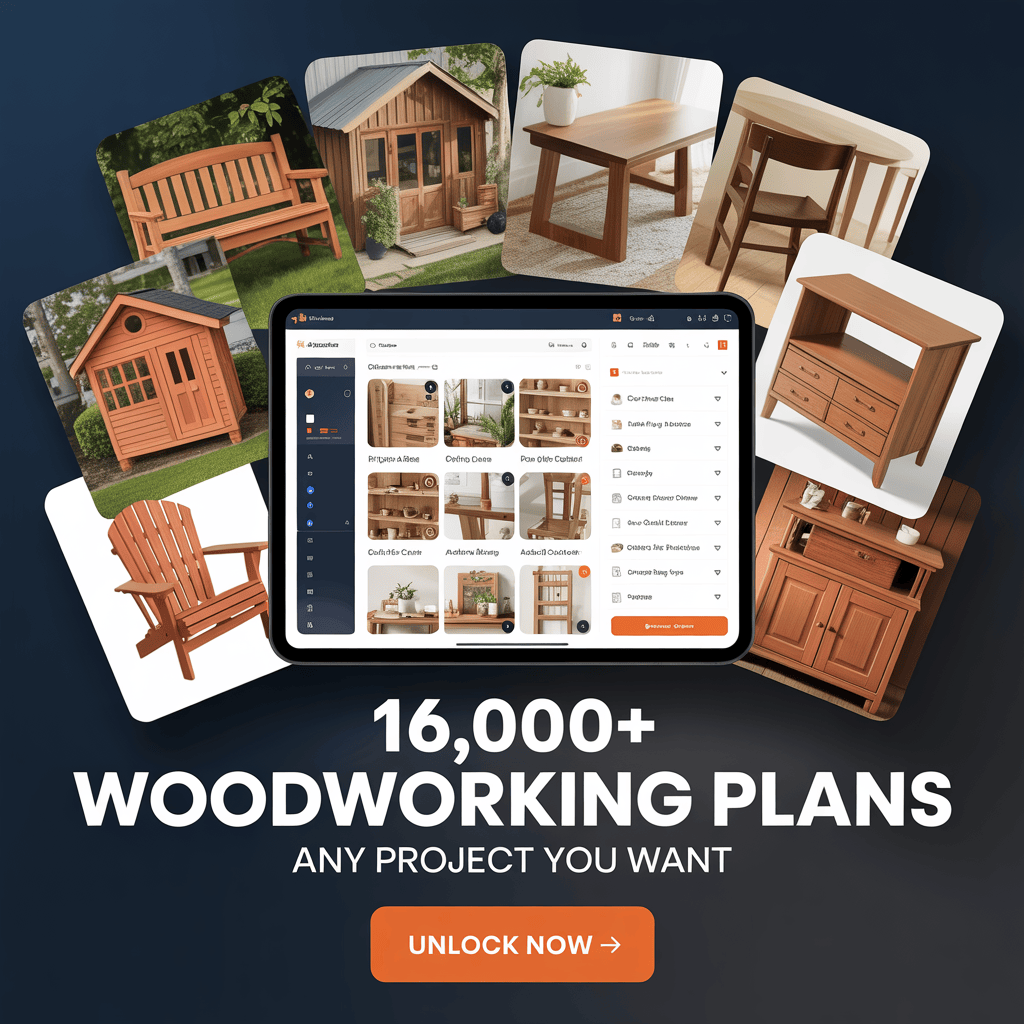
Stop wasting time on confusing free plans. Teds Woodworking gives you 16,000+ tested, step-by-step woodworking plans so you can build faster, avoid mistakes, and finish projects with confidence.
✨ Why Beginners & Pros Love It:
- ✅ 16,000+ Detailed Woodworking Plans
- ✅ Exact cut lists, materials & measurements
- ✅ Beginner to advanced projects included
- ✅ Furniture, sheds, benches, storage & more
- ✅ Search plans by keyword, category & difficulty
- ✅ New plans added monthly for life
- ✅ Bonus videos + CAD software + business guide
🔥 Stop Searching. Start Building.
Turn your ideas into real projects this weekend.
👉 Get Instant Access to Teds Woodworking Now
Conclusion
Starting your woodworking journey is more than just a hobby. It’s a path to mastering a valuable skill. Every piece you create boosts your confidence, preparing you for bigger projects.
Tools like Teds Woodworking give you the plans to bring your ideas to life. They help you move from beginner to pro. You can make pieces that will be treasured for years.
Always keep your workspace tidy and focus on safety. Small steps lead to big growth. Your hard work will make each project better than the last.
Don’t be afraid to share your work with others. The woodworking community loves to share and learn. Grab your tools and start building the future you dream of.
FAQ
How can I learn woodworking faster online without getting overwhelmed by information?
To learn woodworking online quickly, follow a clear path. Avoid watching random videos. Instead, use online courses that guide you step by step. Focus on tutorials that match your current project. This keeps you engaged and avoids feeling overwhelmed.
What is the best small workshop setup for someone living in an apartment or small house?
You don’t need a huge space to start woodworking. A small workshop can fit in a garage or basement corner. Choose a compact, sturdy workbench. Prioritise high-quality hand tools from brands like Stanley or Lie-Nielsen. This setup is small but effective for learning essential skills.
What are the most common woodworking mistakes beginners make that I should avoid?
One big mistake is not accounting for the saw blade’s width during cuts. Mark your lines with a striking knife for better precision. Many beginners skip sanding. But a great finish starts with proper surface prep. This is key for beginners aiming for professional results.
Are step-by-step woodworking plans really necessary for a beginner?
Yes, step-by-step plans are crucial for success. Resources like Ted’s Woodworking offer over 16,000 detailed designs. They include exact dimensions and material lists. These plans remove the guesswork, so you can focus on building. They’re perfect for beginners.
What are some easy woodworking projects I can finish in a weekend?
Start with simple projects like floating shelves, a cutting board, or a birdhouse. These projects teach you the basics of woodworking. Completing them quickly boosts your confidence and gives you practical results for your home.
How do I know which tools are worth the investment when I first start woodworking?
Focus on the “big three” for your workshop: a DeWalt mitre saw, a reliable cordless drill, and sharp chisels. These tools are essential for daily use. It’s better to have a few high-quality tools than many cheap ones. Cheap tools often break or lose their edge quickly.
How can I ensure my safety while working with power tools for the first time?
Safety is crucial in woodworking. Always wear ANSI-rated eye and hearing protection, like 3M WorkTunes. Never rush cuts, and keep your workspace clean. Following safety protocols in online courses helps you stay safe and focused on your work.
Can I really gain professional woodworking skills fast using only digital resources?
Yes, you can! Combine quality online tutorials with hands-on practice. Watch a technique, then practice it five times in your shop. This method is the best way to learn woodworking faster and build the skills needed for fine furniture making.